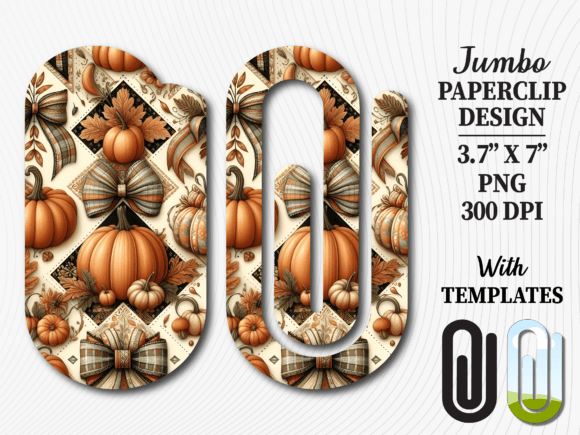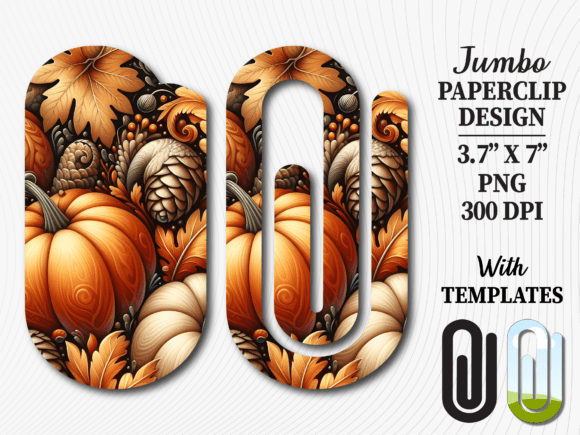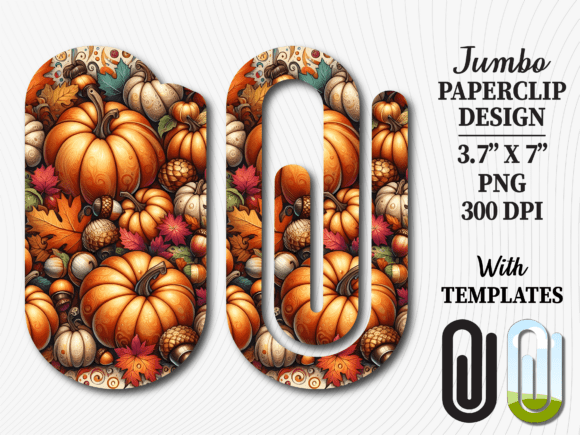
Autumn Pumpkin Harvest Jumbo Paperclip
A Designer’s First Glance: Cheerful, Clear, and Craft-Ready
When Autumn Pumpkin Harvest Jumbo Paperclip landed in my inbox, I opened it expecting seasonal charm—and got something more useful: a design with immediate visual rhythm. It’s not overly fussy, but it’s not generic either. The pumpkin shape anchors the composition, while the paperclip motif adds clever structure and subtle function—like a whimsical nod to organization amid harvest warmth. As a designer who regularly selects embroidery files for client projects and small-batch merchandise, I appreciated how the layout avoids tight corners, thin stems, or micro-details that fray under stitch density. It feels like a machine embroidery design built for real-world use—not just screen appeal.
Where This Design Truly Shines (and Why)
I tested Autumn Pumpkin Harvest Jumbo Paperclip as the focal point on a natural linen tote bag—intended for a local boutique’s fall launch. Stitched at 4.5" wide with medium-weight cutaway stabilizer, it held crisp lines without puckering. The curves flowed cleanly in satin stitch, and the fill areas stayed smooth, even across the textured weave. That’s rare for a design marketed as a Graphics asset—it translated seamlessly into an embroidered patch alternative, too, when stitched onto twill-backed cotton for reusable produce bags.
It also performed well on baby-soft French terry sweatshirts—no shadowing, no thread nesting—thanks to its balanced stitch density. For custom apparel, it reads clearly at 3.75", making it versatile for both sweatshirt embroidery and tote bag design. I even mocked it up on a tea towel hem: the clean silhouette popped against the fabric’s slight sheen, reinforcing why this works so well for holiday embroidery and personalized gift lines.
Real Projects, Real Feedback
Last week, I used Autumn Pumpkin Harvest Jumbo Paperclip on a set of nursery pillow covers for a new Etsy listing. Customers commented on how “friendly” and “cozy” the motif felt—not cutesy, not cluttered. That’s intentional design language: warm orange and deep green thread palettes read beautifully, and the paperclip shape subtly signals utility (think: clip-on tags, keepsake labels, or even embroidered hang tags). As a craft business owner, I value that duality—it supports branding *and* storytelling without needing extra text.
Where to Proceed Thoughtfully
This isn’t a one-size-fits-all embroidery file. On stretchy knits like jersey tees, I recommend testing with tear-away + topping—especially around the pumpkin’s curved edges, where distortion can blur definition. On dark fabrics, avoid light yellow thread unless you’re using high-contrast stabilizer underneath; the design’s open negative space means background bleed matters more than with dense motifs. And while it scales down decently to 3", I wouldn’t go smaller—tiny paperclip loops lose legibility below 2.5", and that undermines its charm.
For caps or curved surfaces, confirm your hoop size accommodates the full width comfortably. I’ve seen this design misaligned on low-profile caps because the paperclip’s horizontal span caught the edge of the hoop—resulting in uneven tension on one side. Also, skip it on ultra-thin fabrics like voile or lightweight rayon unless you’re adding heavy backing; the fill areas need structural support to stay flat.
Design Assets That Earn Their Place
What makes Autumn Pumpkin Harvest Jumbo Paperclip stand out among digital embroidery files is its quiet versatility. It’s equally at home as a standalone applique design on a denim apron or as a subtle corner accent on a quilt label. Unlike many Crafts-category graphics that prioritize screen resolution over stitch logic, this one respects needle travel—few jump stitches, logical color order, and generous underlay in key curves. That translates directly to fewer trims, less thread breakage, and faster production for commercial embroidery.
Practical Notes from the Hoop
- Always test first—run Autumn Pumpkin Harvest Jumbo Paperclip on scrap fabric matching your final project’s weight and texture.
- Check thread colors in grayscale mockups—some orange/green combos flatten on dark backgrounds.
- Review stitch order: if your machine allows editing, group satin-stitched outlines before fills to reduce shifting.
- Use stabilizer appropriate for fabric movement—not just weight. A stable knit needs different support than crisp cotton duck.
- Confirm licensing before selling finished items. Since this is labeled a sublimation design, double-check whether the seller permits embroidery use and resale of physical products.
- Compare light/dark fabric previews side-by-side—what reads joyful on oatmeal linen may feel muted on charcoal fleece.
More Than a Motif—A Small Business Asset
For Etsy sellers and small shop product creators, Autumn Pumpkin Harvest Jumbo Paperclip bridges aesthetic and utility. It doesn’t scream “fall”—it whispers it, thoughtfully. That makes it easier to integrate into year-round collections (think: harvest-themed baby onesies paired with neutral solids) and harder to date quickly. Customers recognize the warmth but don’t dismiss it as seasonal fluff. In fact, several repeat buyers told me they chose our embroidered tea towels *because* the motif felt “handmade but intentional”—a direct lift from how this design balances playfulness and polish.
As a reviewer who’s stitched hundreds of embroidery project files, I can say this: Autumn Pumpkin Harvest Jumbo Paperclip earns trust not through complexity, but clarity. It looks as good stitched as it does in your design software. And in handmade markets, that consistency—the seamless leap from printable mockup to finished product—is what builds credibility, repeat orders, and genuine word-of-mouth.