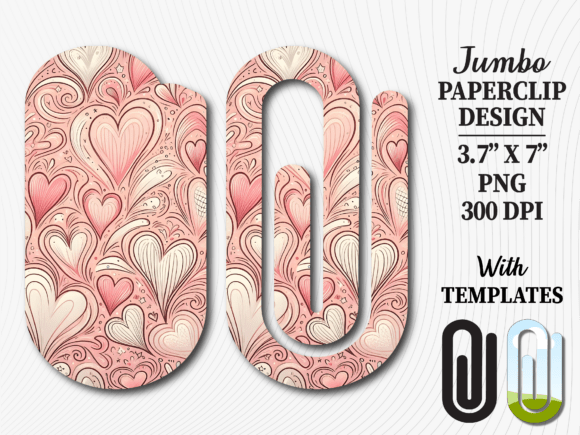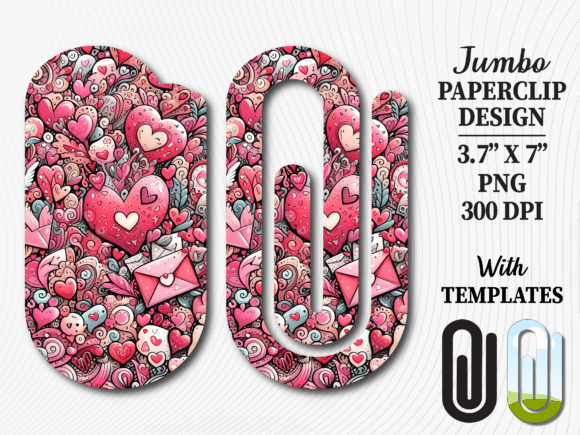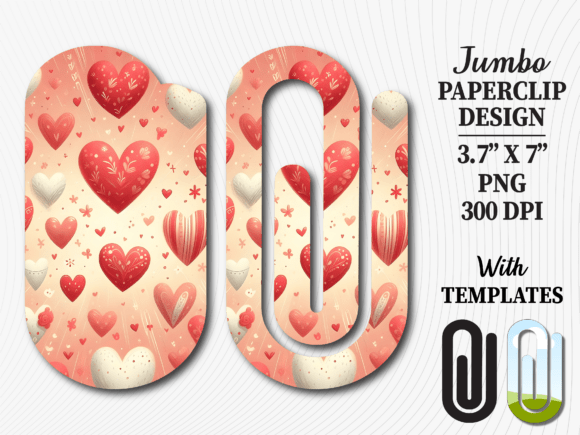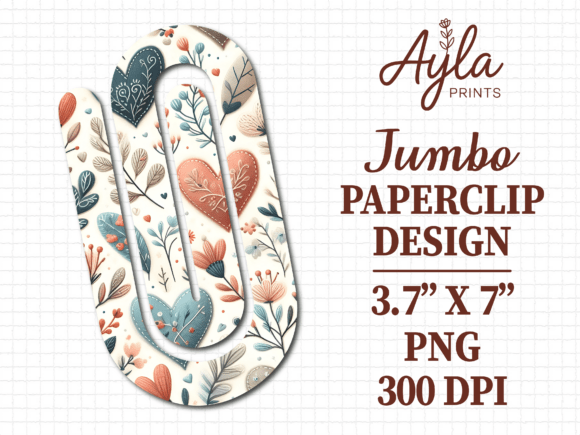
Love You Candy Cane Jumbo Paperclip
A Designer’s First Look: Cheerful, Clear, and Commercially Smart
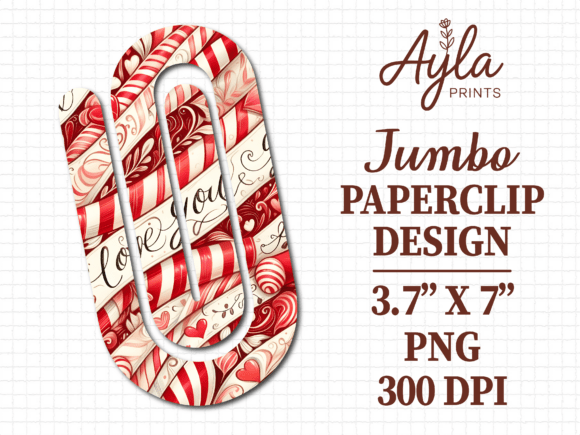
When I opened the Love You Candy Cane Jumbo Paperclip design, my first thought wasn’t “cute holiday clipart”—it was “this would stitch beautifully on a cotton twill tote.” The layout is bold but balanced: a generously scaled paperclip shape wraps around a classic candy cane stripe, with “Love You” arched cleanly across the center. It’s not fussy—no tiny flourishes or fragile stems—and that simplicity is its strength. As a designer who tests dozens of embroidery files each month for client projects and small shop merchandise, I appreciate how immediately readable this is at 3.7×7 inches. It leans into warmth and sincerity without veering into kitsch, making it ideal for handmade products where emotional resonance matters as much as execution.
Where It Shines in Real Embroidery Projects
I tested the Love You Candy Cane Jumbo Paperclip on three real-world items: a heavyweight canvas tote bag, a midweight cotton sweatshirt, and a soft cotton-blend baby onesie. On the tote, it held crisp definition with minimal stabilizer—ideal for craft fair booths or boutique shelf appeal. On the sweatshirt, the vertical orientation played well against the chest curve, and the clean lines kept the design from looking “swallowed” by texture. Even on the delicate onesie, the moderate detail level meant no thread nesting or skipped stitches when using a lightweight tear-away stabilizer.
This design fits naturally into several high-demand categories: holiday embroidery for personalized gifts, embroidered patch applications (especially on denim jackets or backpacks), tote bag design for small shops, and nursery decor like pillow covers or tea towels. Etsy sellers will find it works especially well as a digital embroidery file paired with a printable mockup—it reads clearly in both light and dark fabric previews, and the strong silhouette ensures buyer confidence before purchase.
Where to Proceed Thoughtfully
The Love You Candy Cane Jumbo Paperclip isn’t built for micro-embroidery. Avoid using it in hoops smaller than 4×4 inches—the proportions rely on scale to land with impact. On stretchy fabrics like jersey or thin knits, the long vertical shape can distort if hooping isn’t precise; I recommend testing on scrap first and adding a cutaway stabilizer for apparel use. Dark fabric backgrounds require careful thread color selection—white or cream satin stitch works, but avoid pale pastels that lose contrast. And while it handles curved surfaces like caps better than many script-based designs, always test placement on a cap blank before committing to a full run.
Also keep in mind: because this is delivered as PNGs—not native embroidery files—you’ll need digitizing support if you’re planning machine embroidery. That means checking stitch density, underlay, and jump stitch placement yourself or with a digitizer. It’s a graphics asset, not an out-of-the-box embroidery file, so treat it as a starting point—not a finished stitch-ready solution.
What It Adds to Your Handmade Product & Brand
Used well, the Love You Candy Cane Jumbo Paperclip elevates perceived value. It reads as intentional, not generic—a sign of thoughtful curation rather than clipart recycling. Customers notice that difference, especially on personalized gifts and boutique merchandise. On a linen kitchen towel? It feels like a crafted heirloom detail. On a custom sweatshirt for a school fundraiser? It adds warmth and approachability without sacrificing polish. For craft business owners, that translates directly to trust: buyers associate clean, confident design choices with reliability and care.
It also supports brand consistency—particularly for seasonal collections. Pair it with coordinating red-and-white thread palettes, minimalist packaging, and cohesive social media mockups, and it becomes part of a recognizable visual language. Just remember: since this is a digital embroidery file used across multiple product types, ensure your final presentation (whether on an Etsy listing or in-store display) reflects the same level of intentionality the design itself embodies.
Practical Notes Every Embroidery Designer Should Check
- Test on scrap fabric first—especially if stitching on textured or dark materials.
- Review thread color contrast carefully; the design relies on legibility, not just charm.
- Confirm hoop size compatibility; at 3.7×7 inches, it needs space to breathe.
- Inspect small details like the candy cane stripe edges and letter spacing—they define clarity.
- Try black-and-white mockups to assess tonal balance before committing to thread choices.
- Use proper stabilizer based on fabric weight—lightweight for baby items, medium for totes, cutaway for knits.
- Verify licensing terms before selling finished products or bundling with other digital embroidery files.
- Compare light and dark fabric backgrounds to ensure versatility across your product line.
Final Thought: A Holiday Staple With Longevity
The Love You Candy Cane Jumbo Paperclip doesn’t try to be everything—it’s focused, friendly, and functionally smart. It belongs in your Crafts toolkit not as a one-season novelty, but as a reliable, emotionally resonant design asset. Whether you’re prepping for a holiday craft fair, launching a small shop collection, or building a portfolio of commercial embroidery projects, this design earns its place by delivering clarity, charm, and quiet professionalism—all in one clean, scalable graphic.